

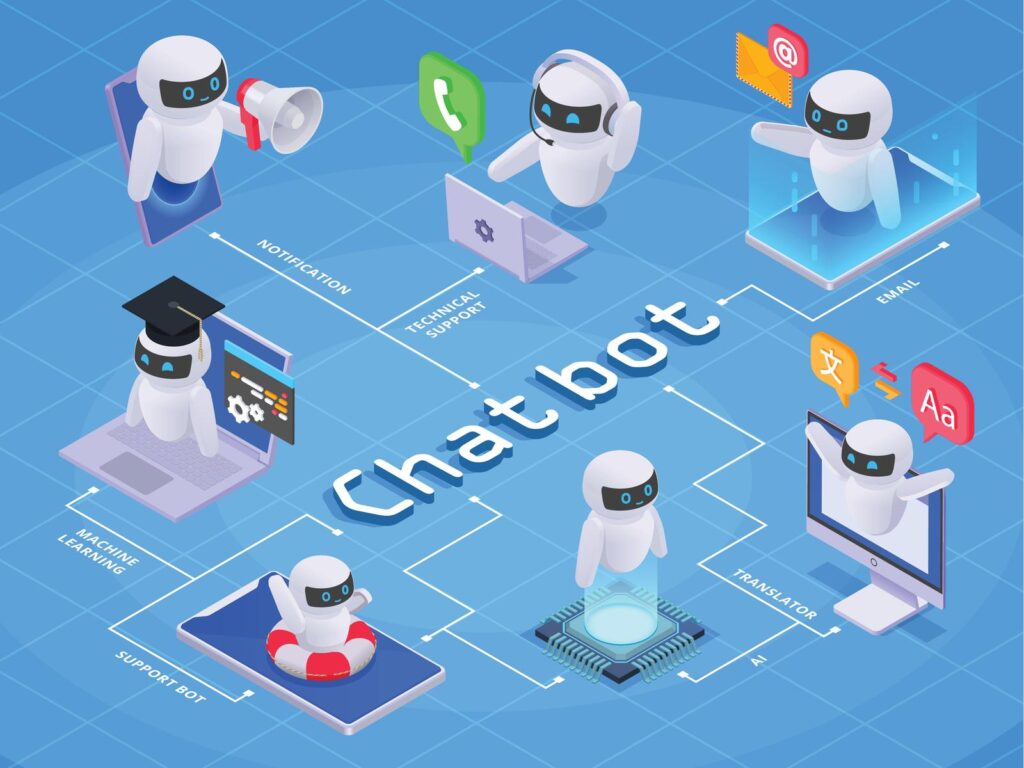
Utility companies play a critical role in our lives by providing us with necessities such as electricity, gas, and water. However, customer service in the utility industry can often be frustrating and time-consuming. Waiting on hold for hours or navigating a complicated phone menu is not anyone’s idea of a good time. That’s where AI conversational chatbots come in. AI conversational chatbots can revolutionize the way utility companies interact with their customers. These chatbots can provide utility customers with fast, efficient, and personalized customer service, all while reducing the workload for utility companies. By utilizing AI-powered chatbots, utility companies can streamline their customer service operations, reduce wait times, and increase customer satisfaction. In this article, we’ll explore how utility companies can use AI conversational chatbots to improve their customer service and stay ahead of the competition.
Why Utility Companies Need AI Conversational Chatbots for Customer Service?
The utility industry is facing an ever-increasing demand for its services. Customers expect fast and efficient service, and they want their issues resolved quickly. However, traditional customer service channels such as phone, chat and email are not always able to keep up with the demand. This is where AI conversational chatbots come to the rescue. AI conversational chatbots provide a more efficient and personalized experience for customers. These chatbots are available 24/7 and can handle multiple queries simultaneously without any wait time. Moreover, chatbots can identify and resolve customer issues faster and more accurately than traditional customer service channels.
AI conversational chatbots can also help utility companies reduce their costs. Hiring and training customer service representatives can be expensive, and chatbots can help reduce the workload of customer service representatives. Chatbots can handle routine queries, allowing human representatives to focus on more complex issues. This can help companies save money and improve their bottom line.
Finally, AI conversational chatbots can help utility companies stay ahead of their competition. By providing fast and efficient customer service, companies can improve their customer satisfaction scores and build brand loyalty. In today’s competitive market, customer service is often the key differentiator between companies. Companies that provide superior customer service are more likely to succeed in the long run.
Benefits of Using AI Conversational Chatbots for Customer Service.
AI conversational chatbots offer numerous benefits to utility companies. Here are some of the key benefits:
1. Improved Customer Service
AI conversational chatbots provide customers with fast, efficient and personalized service. Chatbots can handle multiple queries simultaneously without any wait time, reducing customer frustration. Moreover, chatbots can identify and resolve customer issues faster and more accurately than traditional customer service channels.
2. Cost Savings
Hiring and training customer service representatives can be expensive. Chatbots can help reduce the workload of customer service representatives and handle routine queries, allowing human representatives to focus on more complex issues. This can help companies save money and improve their bottom line.
3. Increased Efficiency
AI conversational chatbots can handle multiple queries simultaneously without any wait time. This can help companies improve their efficiency and reduce their response time to customer queries.
4. Better Data Analysis
AI conversational chatbots can collect data in real time and provide insights into customer behavior, preferences, and pain points. This can help companies improve their customer service and tailor their services to meet customer needs.
5. Improved Customer Satisfaction
By providing fast and efficient customer service, companies can improve their customer satisfaction scores and build brand loyalty. In today’s competitive market, customer service is often the key differentiator between companies. Companies that provide superior customer service are more likely to succeed in the long run.
How AI Conversational Chatbots Work?
AI conversational chatbots are powered by artificial intelligence and natural language processing (NLP) technology. These chatbots are designed to communicate with customers naturally and conversationally. The chatbots use machine learning algorithms to understand the intent behind the customer’s query and provide relevant responses.
Most AI conversational chatbots are trained using large datasets of customer interactions. This allows the chatbots to learn from previous interactions and improve their responses over time. Moreover, chatbots can handle multiple queries simultaneously without any wait time, reducing customer frustration.
AI conversational chatbots can be integrated with various customer service channels such as websites, social media platforms, and messaging apps. This allows customers to interact with the chatbot through their preferred channel.
Examples of Successful AI Conversational Chatbots in the Utility Industry
Several utility companies have already implemented AI conversational chatbots and have seen significant improvements in their customer service operations. Here are some examples:
1. Eon
E.ON Romania, a Romania utility company, implemented an AI conversational chatbot on its website and mobile app. The chatbot can handle routine queries such as billing and payment inquiries. Since implementing the chatbot, E.ON Romania has seen a 50% reduction in phone calls to its customer service center.
2. National Grid
National Grid, a UK-based electricity and gas company, implemented an AI conversational chatbot on its website. The chatbot, named AskNG, can handle queries related to billing, payments, and energy efficiency. Since implementing the chatbot, National Grid has seen a 15% reduction in phone calls to its customer service center.
3. Enel
Enel, an Italian utility company, implemented an AI conversational chatbot on its Facebook Messenger. The chatbot can handle queries related to billing, payments, and energy efficiency. Since implementing the chatbot, Enel has seen a 50% reduction in phone calls to its customer service center.
Best Practices for Implementing an AI Conversational Chatbot.
Implementing an AI conversational chatbot can be a complex process. Here are some best practices to keep in mind:
1. Define Your Objectives
Before implementing an AI conversational chatbot, it’s essential to define your objectives. What problems do you want the chatbot to solve? What queries do you want the chatbot to handle? Defining your objectives can help you choose the right chatbot provider and ensure that the chatbot meets your needs.
2. Choose the Right Chatbot Provider
Choosing the right chatbot provider is crucial for the success of your chatbot implementation. Look for a provider with experience in the utility industry and a proven track record of success. Moreover, ensure that the provider can customize the chatbot to meet your specific needs.
3. Train Your Chatbot
Training your chatbot is crucial for its success. Provide your chatbot with a large dataset of customer interactions to learn from. Moreover, test your chatbot extensively to ensure that it can handle a variety of queries.
4. Integrate Your Chatbot with Other Customer Service Channels
Integrating your chatbot with other customer service channels such as phone and email can help provide customers with a seamless experience. Ensure that your chatbot can transfer customers to a human representative if necessary.
5. Provide Regular Maintenance and Updates
Regular maintenance and updates are essential for the long-term success of your chatbot. Ensure that your chatbot is regularly updated with new data and trained on new queries.
Common Mistakes to Avoid When Implementing an AI Conversational Chatbot.
1. Not Defining Objectives.
Not defining your objectives can lead to a chatbot that does not meet your needs. Ensure that you define your objectives before implementing a chatbot.
2. Choosing the Wrong Chatbot Provider.
Choosing the wrong chatbot provider can lead to a chatbot that does not meet your specific needs. Ensure that you choose a provider with experience in the utility industry and a proven track record of success.
3. Not Training Your Chatbot.
Not training your chatbot can lead to a chatbot that provides inaccurate or irrelevant responses. Ensure that you provide your chatbot with a large dataset of customer interactions to learn from.
4. Not Integrating Your Chatbot with Other Customer Service Channels.
Not integrating your chatbot with other customer service channels can lead to a disjointed customer experience. Ensure that your chatbot can transfer customers to a human representative if necessary.
5. Not Providing Regular Maintenance and Updates
Not providing regular maintenance and updates can lead to a chatbot that provides outdated or inaccurate responses. Ensure that your chatbot is regularly updated with new data and trained on new queries.
Choosing the Right AI Conversational Chatbot Provider.
Choosing the right AI conversational chatbot provider is crucial for the success of your chatbot implementation. Here are some factors to consider when choosing a provider:
1. Industry Experience.
Look for a provider with experience in the utility industry. Providers with industry experience will have a better understanding of the specific needs and challenges of the industry.
2. Proven Track Record.
Choose a provider with a proven track record of success. Look for providers that have implemented chatbots for other utility companies and have seen significant improvements in customer service operations.
3. Customization.
Ensure that the provider can customize the chatbot to meet your specific needs. A chatbot that is tailored to your specific needs is more likely to be successful.
4. Support and Maintenance.
Choose a provider that offers support and maintenance services. Regular maintenance and updates are crucial for the long-term success of your chatbot.
Integrating AI Conversational Chatbots with Other Customer Service Channels.
Integrating AI conversational chatbots with other customer service channels such as phone and email can help provide customers with a seamless experience. Here are some tips for integrating your chatbot with other customer service channels:
1. Ensure a Consistent Experience
Ensure that customers receive a consistent experience across all channels. This can help improve customer satisfaction and reduce customer frustration.
2. Transfer Customers to a Human Representative When Necessary.
Ensure that your chatbot can transfer customers to a human representative if necessary. Some queries may require the expertise of a human representative, and it’s essential to provide customers with that option.
3. Monitor and Analyze Customer Interactions.
Monitor and analyze customer interactions across all channels. This can help you identify pain points and areas for improvement.]
The Future of AI Conversational Chatbots in the Utility Industry.
AI conversational chatbots are set to revolutionize the way utility companies interact with their customers. With advancements in AI and NLP technology, chatbots will become even more sophisticated and capable of handling complex queries. Moreover, chatbots will become more personalized and able to provide customized solutions to customers.
In the future, chatbots may become the primary customer service channel for utility companies. Customers will be able to interact with chatbots through various channels such as websites, social media platforms, and messaging apps. Moreover, chatbots will be able to provide customers with proactive notifications and alerts, such as energy usage alerts or outage notifications.
The Main Reason Why Human Agents and AI Conversational Chatbots Fail?
Knowledge management is a key factor in the success of human agents and chatbots. Without proper knowledge management, both human agents and chatbots can fail to provide satisfactory customer service.
Knowledge management involves collecting, organizing, and sharing information that is relevant to the customer service process. It helps ensure that customer service representatives have access to the right information at the right time. It also helps reduce response times and improve accuracy when dealing with customer inquiries.
Without proper knowledge management, human agents and chatbots can fail to provide accurate answers or solutions to customers’ queries. This can lead to dissatisfied customers who may choose not to use your services again in the future. Therefore, it is essential for businesses to invest in effective knowledge management systems if they want their human agents and chatbots to succeed. AI Conversational Chatbots designed and implemented by Compumagick Associates has custom knowledge management built into them. This is a very differentiator between us,our competitors and others you may thinking of hiring for your AI conversational chatbots.
Conclusion.
AI conversational chatbots have revolutionized the way utility companies interact with their customers. These chatbots provide fast, efficient, and personalized customer service, all while reducing the workload for utility companies. By utilizing AI-powered chatbots, utility companies can streamline their customer service operations, reduce wait times, and increase customer satisfaction. However, implementing a chatbot requires careful planning and execution. Companies must define their objectives, choose the right provider, train their chatbot, and integrate it with other customer service channels. By following best practices and avoiding common mistakes, utility companies can successfully implement AI conversational chatbots and stay ahead of the competition.
Reach out to us at https://www.compumagickassociates.co/contact to get started on your utility company’s AI conversational chatbot journey now. This customized solution for your company will include knowledge management which is the main reason why human agents and chatbots fail.
SCAN TO BEGIN YOUR AI CONVERSATIONAL CHATBOT JOURNEY NOW